Qemu简单队列 Simple Queue

1. 队列定义

 1
 2
 3
 4
 5
 6
 7
 8
 9
10
11
12
13
14
15
16
// 队列头
#define QSIMPLEQ_HEAD(name, type)                                       \
struct name {                                                           \
    struct type *sqh_first;    /* first element */                      \
    struct type **sqh_last;    /* addr of last next element */          \
}

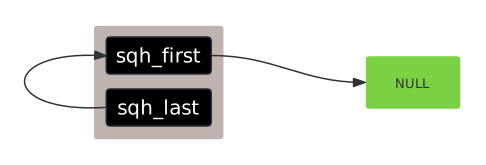
// 初始化一个队列
#define QSIMPLEQ_HEAD_INITIALIZER(head)                                 \
    { NULL, &(head).sqh_first }

// 节点中的连接域,指向下一个节点
#define QSIMPLEQ_ENTRY(type)                                            \
struct {                                                                \
    struct type *sqe_next;    /* next element */                        \
}

1.1. 使用案例

  qemu-8.2.2/qemu-img.c

 1
 2
 3
 4
 5
 6
 7
 8
 9
10
11
12
13
14
15
16
17
18
19
20
21
22
23
24
25
26
27
28
29
30
31
32
33
34
35
36
37
38
39
40
41
42
43
44
45
46
47
48
49
50
51
52
53
54
55
56
57
58
59
60
61
62
63
64
65
66
67
68
69
70
71
72
73
// 节点类型
typedef struct ImgBitmapAction {
    enum ImgBitmapAct act;
    const char *src; /* only used for merge */
    QSIMPLEQ_ENTRY(ImgBitmapAction) next;
} ImgBitmapAction;

// 磁盘持久化位图操作。  
static int img_bitmap(int argc, char **argv)
{
    // ......
    // 省略一堆代码
    // ......
    
    
    // 队列头
    QSIMPLEQ_HEAD(, ImgBitmapAction) actions;
    ImgBitmapAction *act, *act_next;
    const char *op;
    int inactivate_ret;

    // 初始化队列
    QSIMPLEQ_INIT(&actions);  

    for (;;) {

        // ......

        switch (c) {

        // ......

        case OPTION_ADD:
            act = g_new0(ImgBitmapAction, 1);
            act->act = BITMAP_ADD;
            
            // 添加节点
            QSIMPLEQ_INSERT_TAIL(&actions, act, next);  
            add = true;
            break;
  
        // ......

        }
    }

    // 判断队列是否为空
    if (QSIMPLEQ_EMPTY(&actions)) {
        error_report("Need at least one of --add, --remove, --clear, "
                     "--enable, --disable, or --merge");
        goto out;
    }
    
    // ......


    // 遍历队列
    QSIMPLEQ_FOREACH_SAFE(act, &actions, next, act_next) {   
        switch (act->act) {
        // ......
        }

        if (err) {
            // ......
        }
        g_free(act);
    }

    // ......
 out:
    // ......
    return ret;
}

2. 队列操做

2.1. 基本访问方法

 1
 2
 3
 4
 5
 6
 7
 8
 9
10
11
12
13
// 常规判空:  单线程环境、受锁保护的多线程临界区、性能敏感但线程安全已保障的场景。
#define QSIMPLEQ_EMPTY(head)        ((head)->sqh_first == NULL)


// 原子判空:  无锁编程(Lock-free)场景,多线程环境无显式锁保护时,需检测队列状态变化的异步场景。
#define QSIMPLEQ_EMPTY_ATOMIC(head) \
    (qatomic_read(&((head)->sqh_first)) == NULL)

// 获取队列的首节点。
#define QSIMPLEQ_FIRST(head)        ((head)->sqh_first)

// 获取elm的下一个节点
#define QSIMPLEQ_NEXT(elm, field)   ((elm)->field.sqe_next)

2.2. 队列初始化

1
2
3
4
#define QSIMPLEQ_INIT(head) do {                                        \
    (head)->sqh_first = NULL;                                           \
    (head)->sqh_last = &(head)->sqh_first;                              \
} while (/*CONSTCOND*/0)

2.3. 插入节点

2.3.1. 插入到头部

1
2
3
4
5
#define QSIMPLEQ_INSERT_HEAD(head, elm, field) do {                     \
    if (((elm)->field.sqe_next = (head)->sqh_first) == NULL)            \
        (head)->sqh_last = &(elm)->field.sqe_next;                      \
    (head)->sqh_first = (elm);                                          \
} while (/*CONSTCOND*/0)
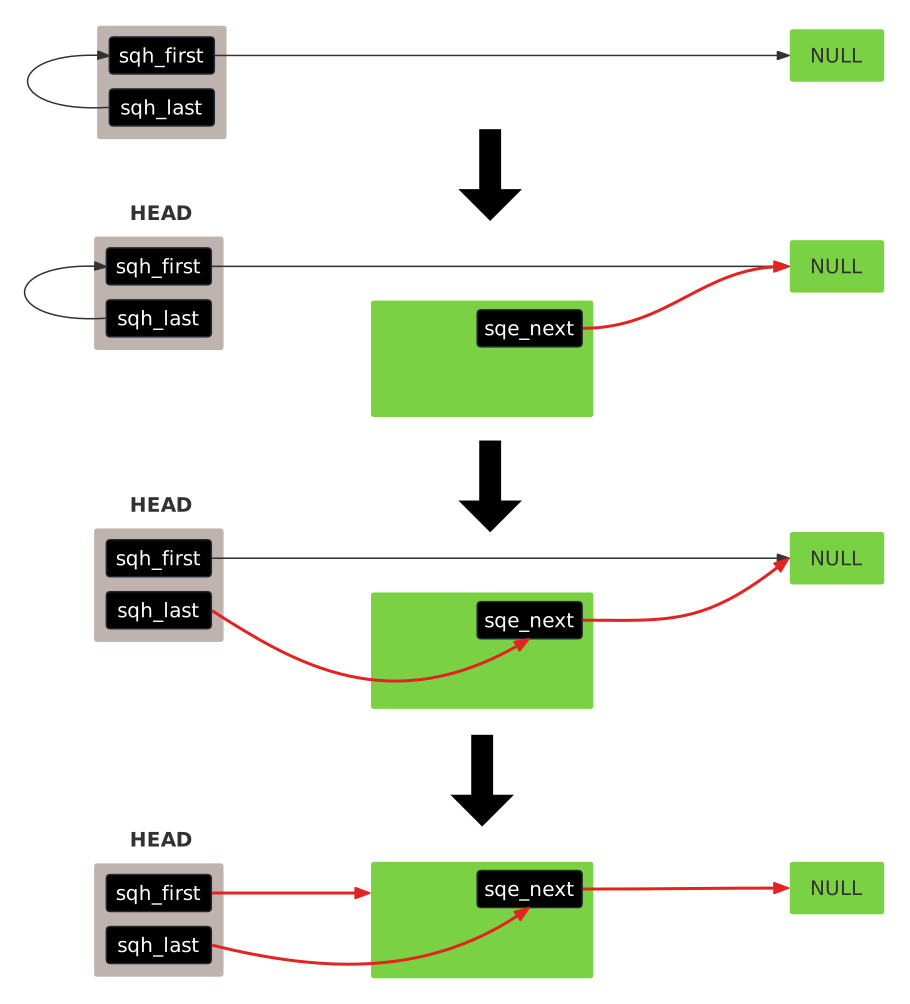
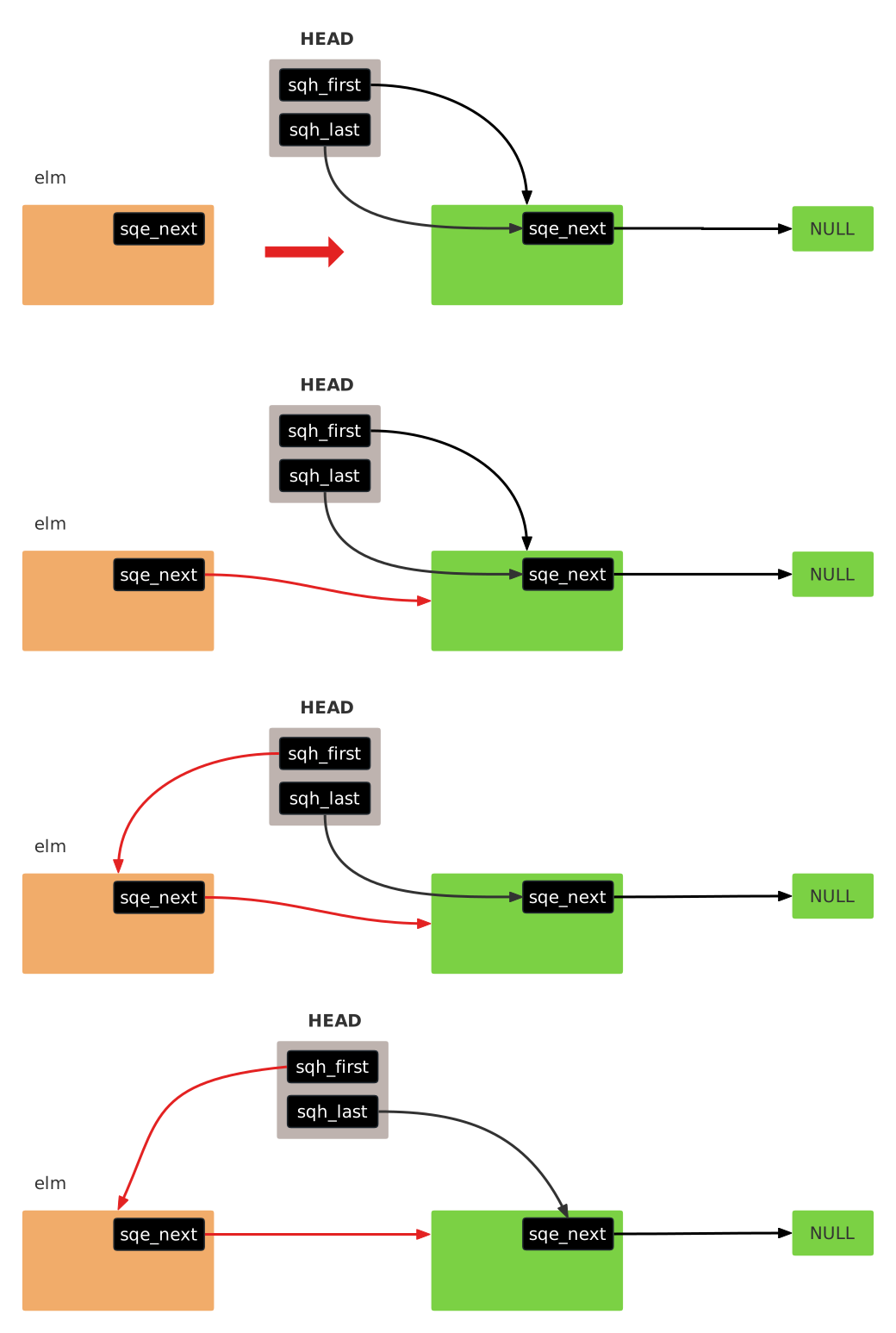
  • elm: 待插入的节点。
  • field: 节点的连接域。
  • head: 队列的头。

1. 空队列插入节点

2. 非空队列插入节点

2.3.2. 插入到尾部

1
2
3
4
5
#define QSIMPLEQ_INSERT_TAIL(head, elm, field) do {                     \
    (elm)->field.sqe_next = NULL;                                       \
    *(head)->sqh_last = (elm);                                          \
    (head)->sqh_last = &(elm)->field.sqe_next;                          \
} while (/*CONSTCOND*/0)

2.3.3. 插入到中间

1
2
3
4
5
#define QSIMPLEQ_INSERT_AFTER(head, listelm, elm, field) do {           \
    if (((elm)->field.sqe_next = (listelm)->field.sqe_next) == NULL)    \
        (head)->sqh_last = &(elm)->field.sqe_next;                      \
    (listelm)->field.sqe_next = (elm);                                  \
} while (/*CONSTCOND*/0)
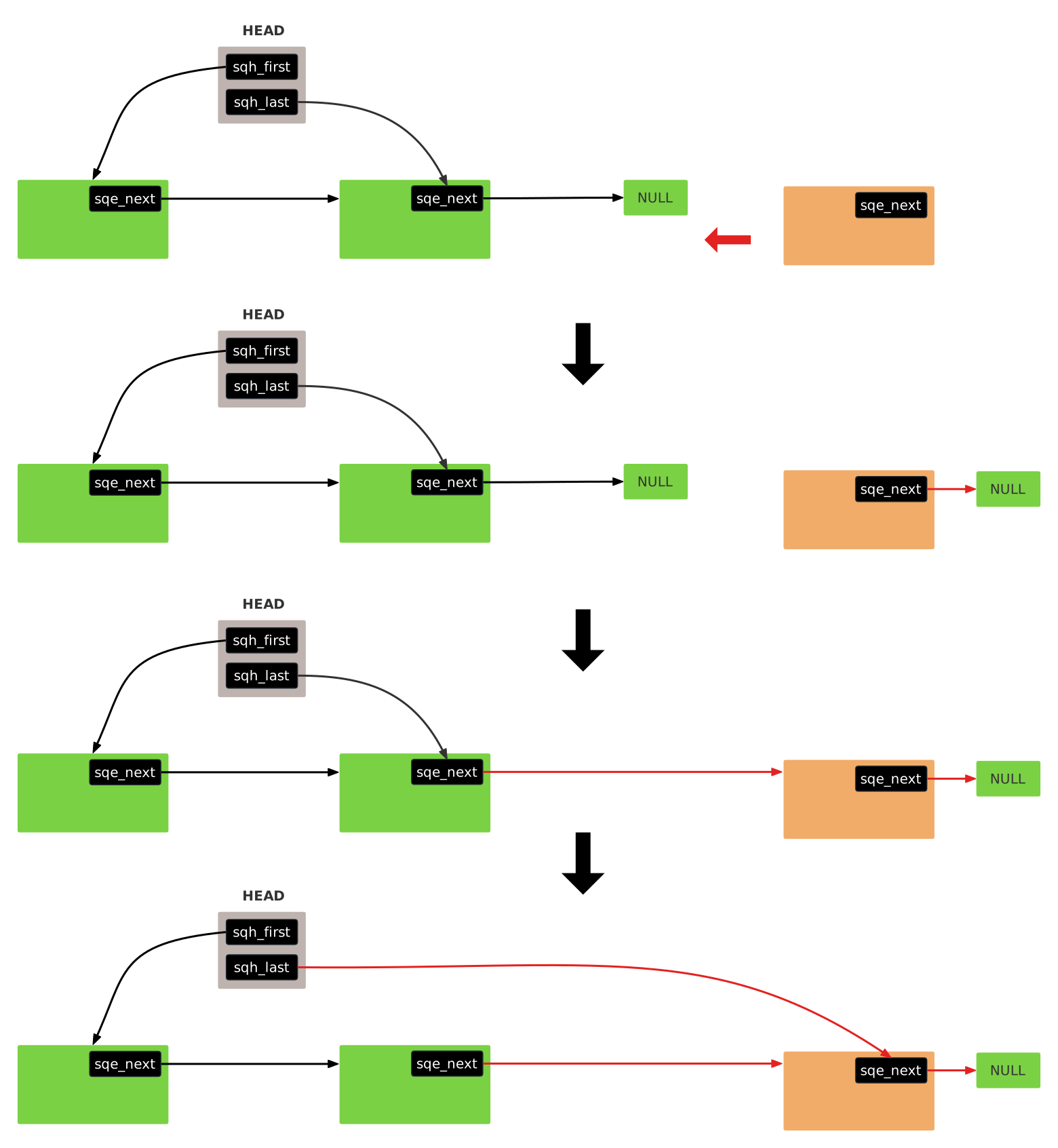
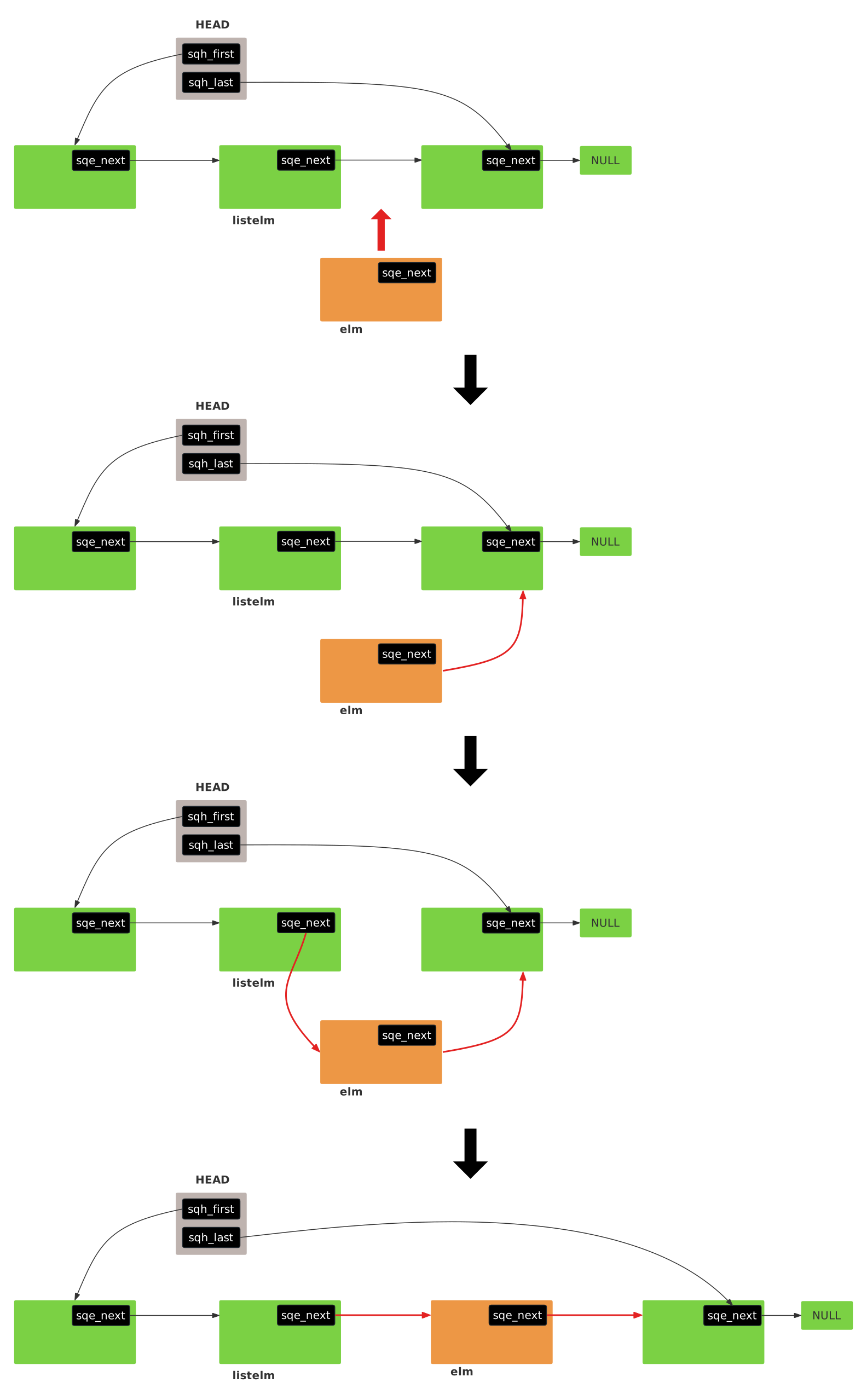
  • elm: 等待插入的节点。
  • listelm: 插入该节点后。
  • 中间插入的节点分为两种情况:
  1. listelm是尾节点,和QSIMPLEQ_INSERT_TAIL差不多。
  2. listelm不是尾节点,插入过程如下:

3. 移除节点

3.1. 移除头部节点

1
2
3
4
5
6
#define QSIMPLEQ_REMOVE_HEAD(head, field) do {                          \
    typeof((head)->sqh_first) elm = (head)->sqh_first;                  \
    if (((head)->sqh_first = elm->field.sqe_next) == NULL)              \
        (head)->sqh_last = &(head)->sqh_first;                          \
    elm->field.sqe_next = NULL;                                         \
} while (/*CONSTCOND*/0)
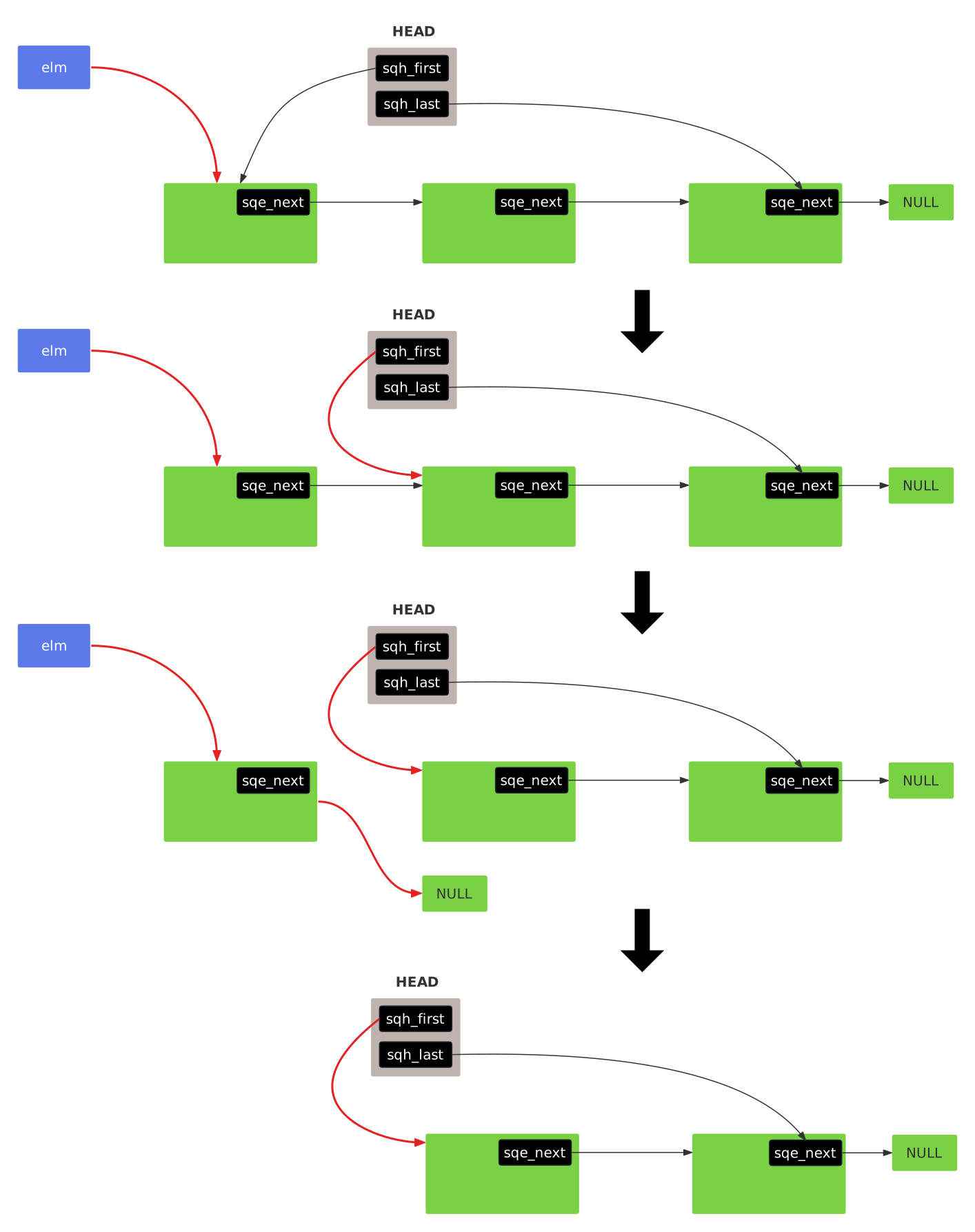
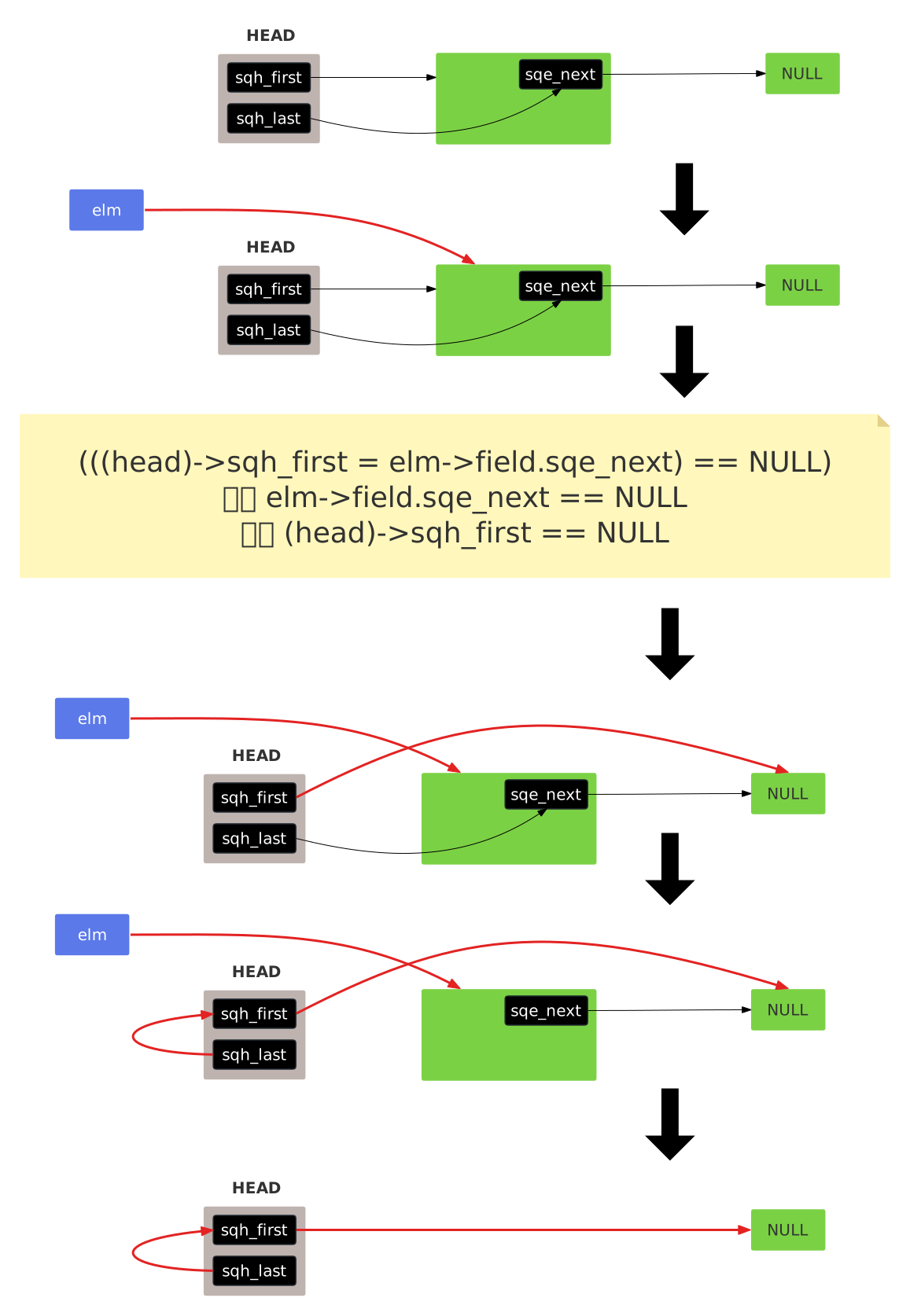
  1. 队列中的有两个及以上节点:

  2. 队列中只有一个节点:

3.2. 移除指定节点

 1
 2
 3
 4
 5
 6
 7
 8
 9
10
11
12
13
#define QSIMPLEQ_REMOVE(head, elm, type, field) do {                    \
    if ((head)->sqh_first == (elm)) {                                   \
        QSIMPLEQ_REMOVE_HEAD((head), field);                            \
    } else {                                                            \
        struct type *curelm = (head)->sqh_first;                        \
        while (curelm->field.sqe_next != (elm))                         \
            curelm = curelm->field.sqe_next;                            \
        if ((curelm->field.sqe_next =                                   \
            curelm->field.sqe_next->field.sqe_next) == NULL)            \
                (head)->sqh_last = &(curelm)->field.sqe_next;           \
        (elm)->field.sqe_next = NULL;                                   \
    }                                                                   \
} while (/*CONSTCOND*/0)
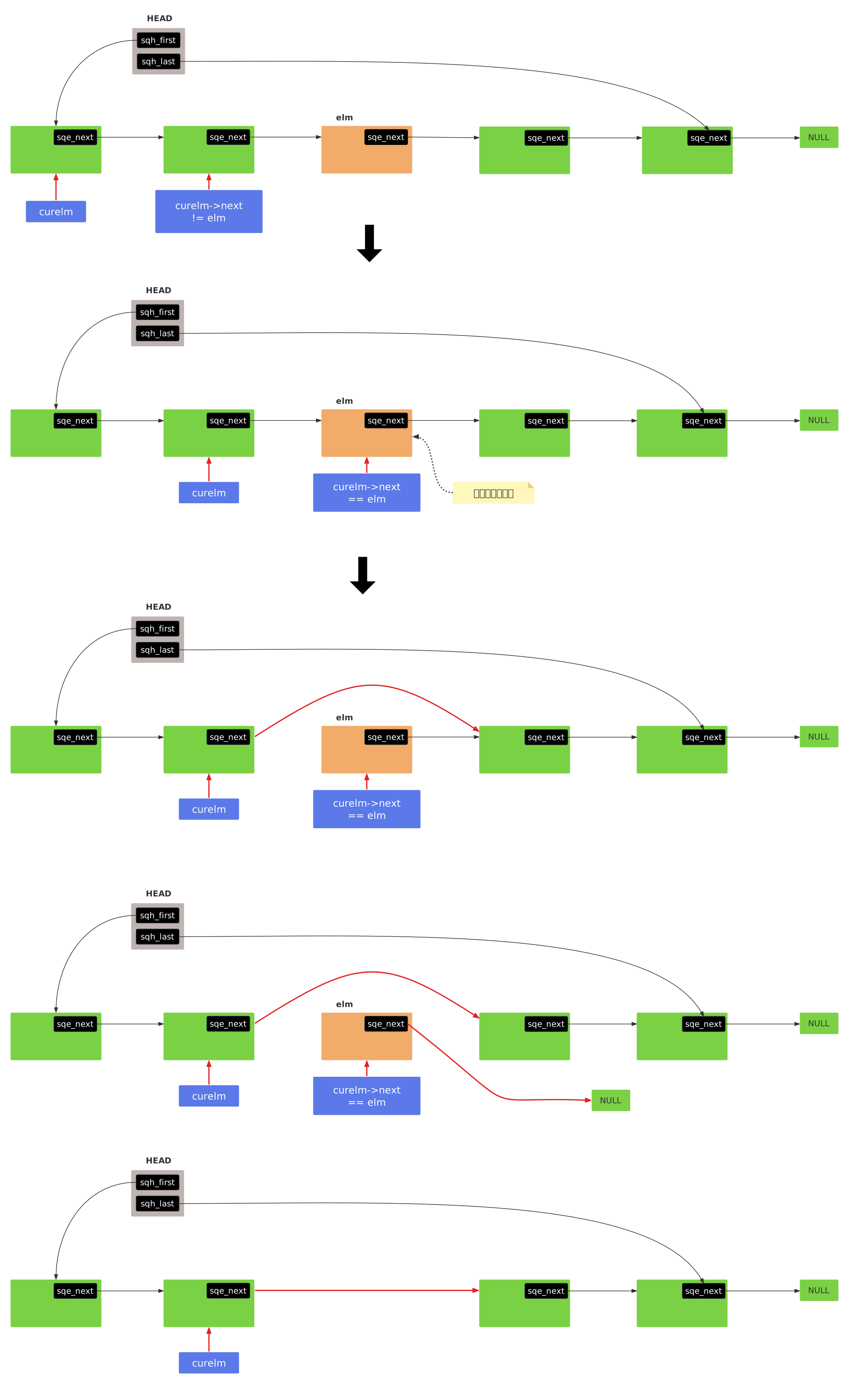
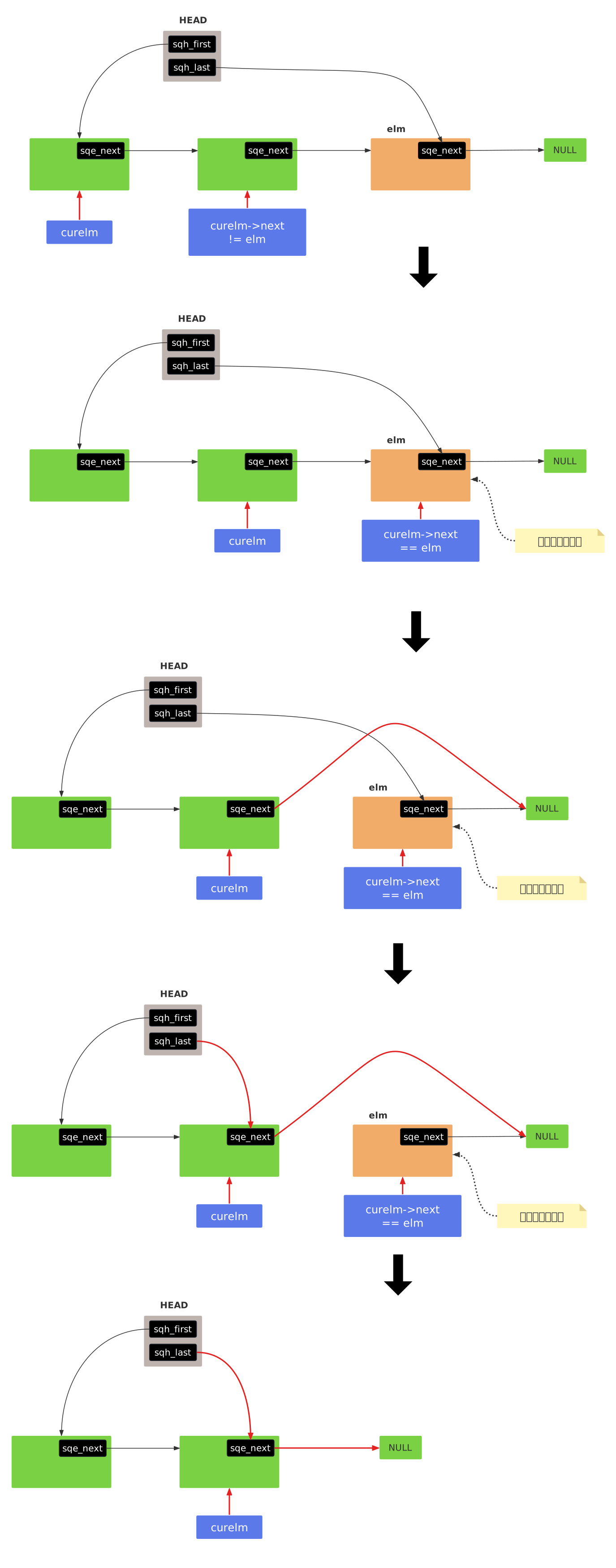
  • elm: 要删除的节点。
  1. 如果elm是第一个节点,则使用QSIMPLEQ_REMOVE_HEAD进行删除。

  2. 如果elm是中间节点:

  3. 如果elm是最后一个节点:

3.3. 遍历

3.3.1. 遍历队列

不删除节点时使用。

1
2
3
4
#define QSIMPLEQ_FOREACH(var, head, field)                              \
    for ((var) = ((head)->sqh_first);                                   \
        (var);                                                          \
        (var) = ((var)->field.sqe_next))

使用案例:

 1
 2
 3
 4
 5
 6
 7
 8
 9
10
// qemu-8.2.2/audio/audio.c。   
// 遍历全局音频设备链表,逐个初始化每个音频设备。     
void audio_init_audiodevs(void)
{
    AudiodevListEntry *e;

    QSIMPLEQ_FOREACH(e, &audiodevs, next) {
        audio_init(e->dev, &error_fatal);
    }
}

3.3.2. 遍历队列(安全)

遍历队列时可以安全删除节点。

1
2
3
4
#define QSIMPLEQ_FOREACH_SAFE(var, head, field, next)                   \
    for ((var) = ((head)->sqh_first);                                   \
        (var) && ((next = ((var)->field.sqe_next)), 1);                 \
        (var) = (next))

使用案例:

 1
 2
 3
 4
 5
 6
 7
 8
 9
10
11
12
13
14
15
16
17
18
// qemu-8.2.2/migration/ram.c   
// 在虚拟机迁移结束或发生错误时调用,清理未处理完的页面请求队列,防止资源泄露。
// 释放 RAMState 结构体中的 src_page_requests 队列中所有剩余的页面请求。
static void migration_page_queue_free(RAMState *rs)
{
    struct RAMSrcPageRequest *mspr, *next_mspr;
    /* This queue generally should be empty - but in the case of a failed
     * migration might have some droppings in.
     */
    RCU_READ_LOCK_GUARD();
    // 遍历队列
    QSIMPLEQ_FOREACH_SAFE(mspr, &rs->src_page_requests, next_req, next_mspr) {
        memory_region_unref(mspr->rb->mr);
        // 删除节点
        QSIMPLEQ_REMOVE_HEAD(&rs->src_page_requests, next_req);
        g_free(mspr);
    }
}

3.4. 尾节点快速定位

1
2
3
4
5
#define QSIMPLEQ_LAST(head, type, field)                                \
    (QSIMPLEQ_EMPTY((head)) ?                                           \
        NULL :                                                          \
            ((struct type *)(void *)                                    \
        ((char *)((head)->sqh_last) - offsetof(struct type, field))))
  • 如果队列为空,则返回NULL。如果队列不为空,则返回队尾节点。
  • ofensetof(),获取结构体成员相对于结构体的偏移量。
  • offsetof(struct type, field),获取field在type中的偏移量。
  • (char *)((head)->sqh_last),转换为 char* 类型以便进行字节级的指针运算。
  • (char *)((head)->sqh_last) - offsetof(struct type, field),从尾元素的 next 指针地址回退到包含它的结构体起始地址。
  • (struct type *)(void *),双重类型转换,先将计算出的地址转为 void*(通用指针类型),再转为目标类型 struct type *(具体结构体指针)。

3.5. 队列合并

3.5.1. 合并到尾部

1
2
3
4
5
6
7
#define QSIMPLEQ_CONCAT(head1, head2) do {                              \
    if (!QSIMPLEQ_EMPTY((head2))) {                                     \
        *(head1)->sqh_last = (head2)->sqh_first;                        \
        (head1)->sqh_last = (head2)->sqh_last;                          \
        QSIMPLEQ_INIT((head2));                                         \
    }                                                                   \
} while (/*CONSTCOND*/0)
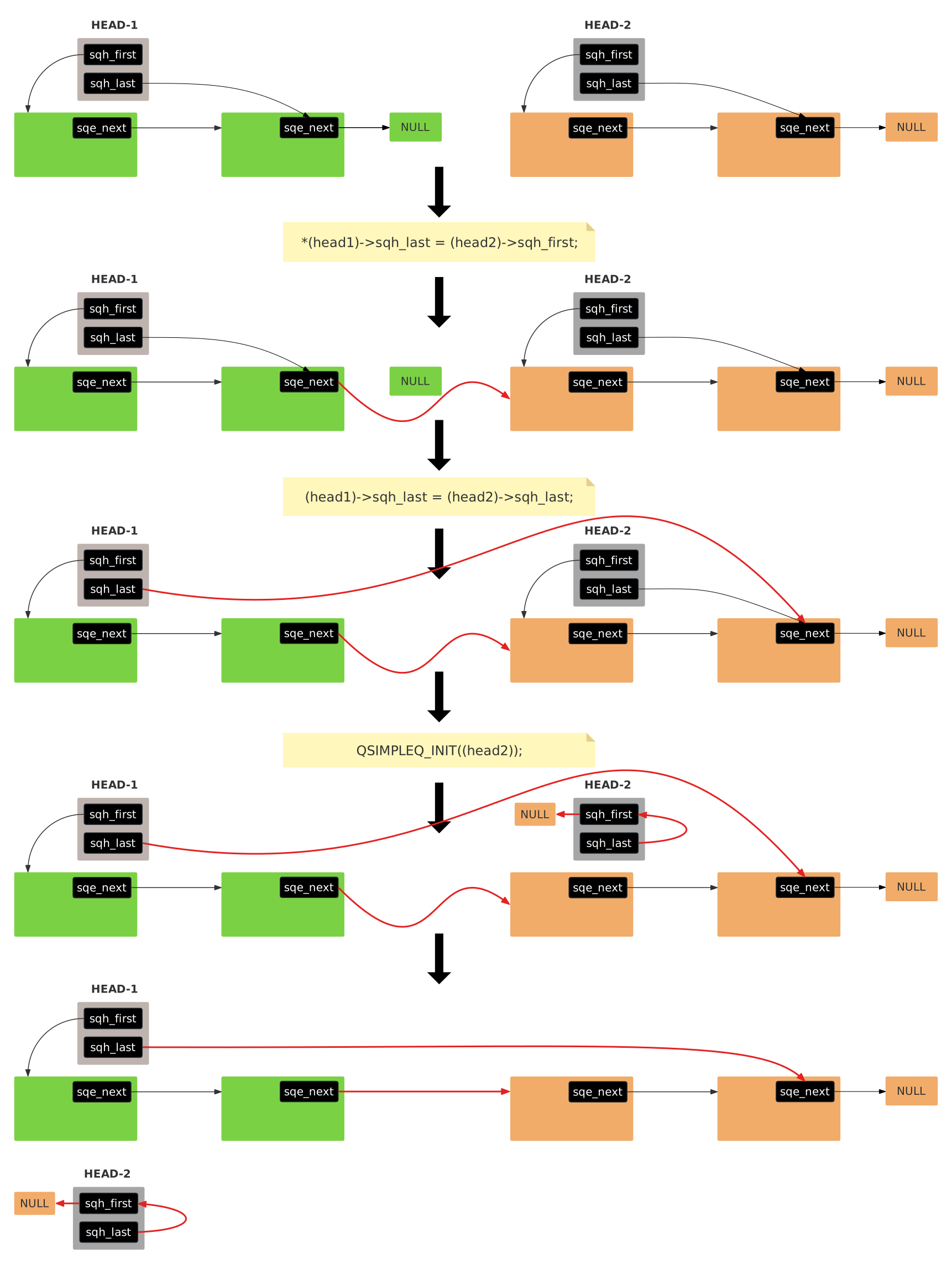
  • 将 head2 队列的所有元素插入到 head1 队列的尾部。
  • 只有当 head2 队列非空时才执行操作,空队列合并是无效操作,直接跳过。

3.5.2. 合并到头部

1
2
3
4
5
6
7
#define QSIMPLEQ_PREPEND(head1, head2) do {                             \
    if (!QSIMPLEQ_EMPTY((head2))) {                                     \
        *(head2)->sqh_last = (head1)->sqh_first;                        \
        (head1)->sqh_first = (head2)->sqh_first;                          \
        QSIMPLEQ_INIT((head2));                                         \
    }                                                                   \
} while (/*CONSTCOND*/0)
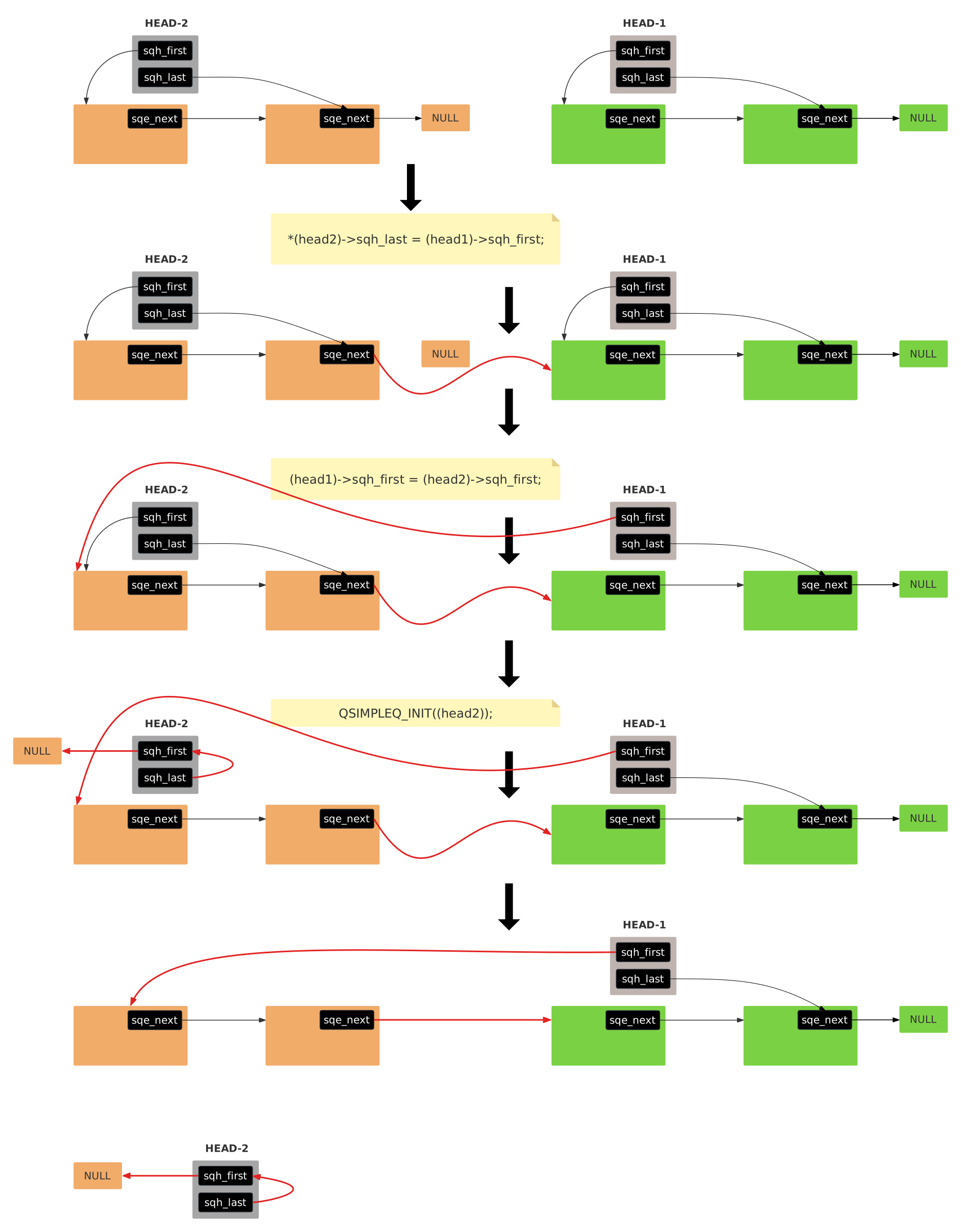
  • 将 head2 队列的所有元素插入到 head1 队列的头部。
  • 只有当 head2 队列非空时才执行操作,空队列合并是无效操作,直接跳过。

3.6. 分割队列

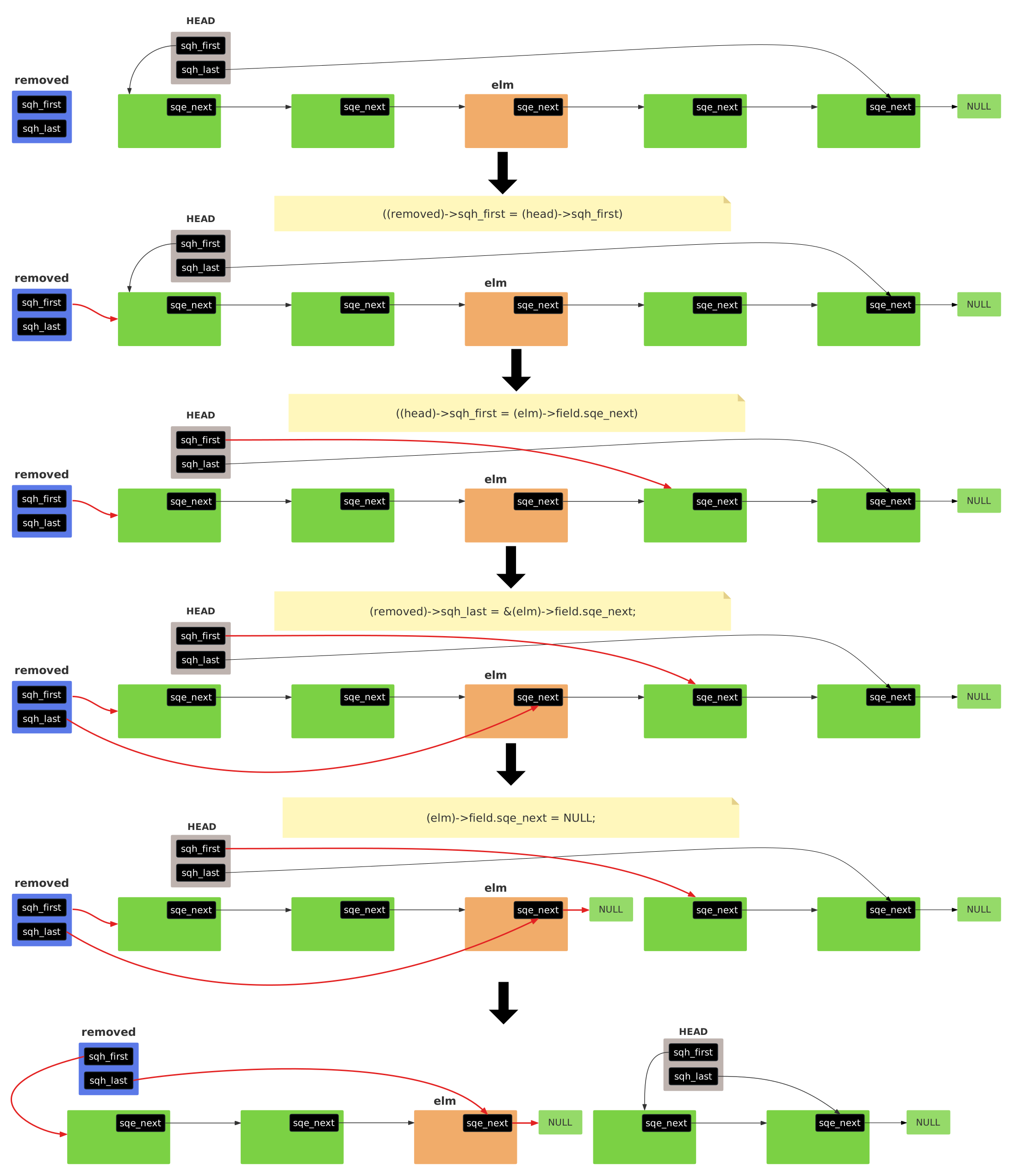
将原队列从指定节点之后分割为两个独立队列。

 1
 2
 3
 4
 5
 6
 7
 8
 9
10
#define QSIMPLEQ_SPLIT_AFTER(head, elm, field, removed) do {            \
    QSIMPLEQ_INIT(removed);                                             \
    if (((removed)->sqh_first = (head)->sqh_first) != NULL) {           \
        if (((head)->sqh_first = (elm)->field.sqe_next) == NULL) {      \
            (head)->sqh_last = &(head)->sqh_first;                      \
        }                                                               \
        (removed)->sqh_last = &(elm)->field.sqe_next;                   \
        (elm)->field.sqe_next = NULL;                                   \
    }                                                                   \
} while (/*CONSTCOND*/0)
  • head:  队列头,为空时直接返回。
  • elm:  从elm开始分割队列,将eml(包括)之前的节点划分给removed。
  • removed:  指向移除的队列。
  • 以elm为非末尾节为例:

4. 完整代码

  1
  2
  3
  4
  5
  6
  7
  8
  9
 10
 11
 12
 13
 14
 15
 16
 17
 18
 19
 20
 21
 22
 23
 24
 25
 26
 27
 28
 29
 30
 31
 32
 33
 34
 35
 36
 37
 38
 39
 40
 41
 42
 43
 44
 45
 46
 47
 48
 49
 50
 51
 52
 53
 54
 55
 56
 57
 58
 59
 60
 61
 62
 63
 64
 65
 66
 67
 68
 69
 70
 71
 72
 73
 74
 75
 76
 77
 78
 79
 80
 81
 82
 83
 84
 85
 86
 87
 88
 89
 90
 91
 92
 93
 94
 95
 96
 97
 98
 99
100
101
102
103
104
105
106
107
108
109
110
111
112
113
114
115
/*
 * Simple queue definitions.
 */
#define QSIMPLEQ_HEAD(name, type)                                       \
struct name {                                                           \
    struct type *sqh_first;    /* first element */                      \
    struct type **sqh_last;    /* addr of last next element */          \
}

#define QSIMPLEQ_HEAD_INITIALIZER(head)                                 \
    { NULL, &(head).sqh_first }

#define QSIMPLEQ_ENTRY(type)                                            \
struct {                                                                \
    struct type *sqe_next;    /* next element */                        \
}

/*
 * Simple queue functions.
 */
#define QSIMPLEQ_INIT(head) do {                                        \
    (head)->sqh_first = NULL;                                           \
    (head)->sqh_last = &(head)->sqh_first;                              \
} while (/*CONSTCOND*/0)

#define QSIMPLEQ_INSERT_HEAD(head, elm, field) do {                     \
    if (((elm)->field.sqe_next = (head)->sqh_first) == NULL)            \
        (head)->sqh_last = &(elm)->field.sqe_next;                      \
    (head)->sqh_first = (elm);                                          \
} while (/*CONSTCOND*/0)

#define QSIMPLEQ_INSERT_TAIL(head, elm, field) do {                     \
    (elm)->field.sqe_next = NULL;                                       \
    *(head)->sqh_last = (elm);                                          \
    (head)->sqh_last = &(elm)->field.sqe_next;                          \
} while (/*CONSTCOND*/0)

#define QSIMPLEQ_INSERT_AFTER(head, listelm, elm, field) do {           \
    if (((elm)->field.sqe_next = (listelm)->field.sqe_next) == NULL)    \
        (head)->sqh_last = &(elm)->field.sqe_next;                      \
    (listelm)->field.sqe_next = (elm);                                  \
} while (/*CONSTCOND*/0)

#define QSIMPLEQ_REMOVE_HEAD(head, field) do {                          \
    typeof((head)->sqh_first) elm = (head)->sqh_first;                  \
    if (((head)->sqh_first = elm->field.sqe_next) == NULL)              \
        (head)->sqh_last = &(head)->sqh_first;                          \
    elm->field.sqe_next = NULL;                                         \
} while (/*CONSTCOND*/0)

#define QSIMPLEQ_SPLIT_AFTER(head, elm, field, removed) do {            \
    QSIMPLEQ_INIT(removed);                                             \
    if (((removed)->sqh_first = (head)->sqh_first) != NULL) {           \
        if (((head)->sqh_first = (elm)->field.sqe_next) == NULL) {      \
            (head)->sqh_last = &(head)->sqh_first;                      \
        }                                                               \
        (removed)->sqh_last = &(elm)->field.sqe_next;                   \
        (elm)->field.sqe_next = NULL;                                   \
    }                                                                   \
} while (/*CONSTCOND*/0)

#define QSIMPLEQ_REMOVE(head, elm, type, field) do {                    \
    if ((head)->sqh_first == (elm)) {                                   \
        QSIMPLEQ_REMOVE_HEAD((head), field);                            \
    } else {                                                            \
        struct type *curelm = (head)->sqh_first;                        \
        while (curelm->field.sqe_next != (elm))                         \
            curelm = curelm->field.sqe_next;                            \
        if ((curelm->field.sqe_next =                                   \
            curelm->field.sqe_next->field.sqe_next) == NULL)            \
                (head)->sqh_last = &(curelm)->field.sqe_next;           \
        (elm)->field.sqe_next = NULL;                                   \
    }                                                                   \
} while (/*CONSTCOND*/0)

#define QSIMPLEQ_FOREACH(var, head, field)                              \
    for ((var) = ((head)->sqh_first);                                   \
        (var);                                                          \
        (var) = ((var)->field.sqe_next))

#define QSIMPLEQ_FOREACH_SAFE(var, head, field, next)                   \
    for ((var) = ((head)->sqh_first);                                   \
        (var) && ((next = ((var)->field.sqe_next)), 1);                 \
        (var) = (next))

#define QSIMPLEQ_CONCAT(head1, head2) do {                              \
    if (!QSIMPLEQ_EMPTY((head2))) {                                     \
        *(head1)->sqh_last = (head2)->sqh_first;                        \
        (head1)->sqh_last = (head2)->sqh_last;                          \
        QSIMPLEQ_INIT((head2));                                         \
    }                                                                   \
} while (/*CONSTCOND*/0)

#define QSIMPLEQ_PREPEND(head1, head2) do {                             \
    if (!QSIMPLEQ_EMPTY((head2))) {                                     \
        *(head2)->sqh_last = (head1)->sqh_first;                        \
        (head1)->sqh_first = (head2)->sqh_first;                          \
        QSIMPLEQ_INIT((head2));                                         \
    }                                                                   \
} while (/*CONSTCOND*/0)

#define QSIMPLEQ_LAST(head, type, field)                                \
    (QSIMPLEQ_EMPTY((head)) ?                                           \
        NULL :                                                          \
            ((struct type *)(void *)                                    \
        ((char *)((head)->sqh_last) - offsetof(struct type, field))))

/*
 * Simple queue access methods.
 */
#define QSIMPLEQ_EMPTY_ATOMIC(head) \
    (qatomic_read(&((head)->sqh_first)) == NULL)
#define QSIMPLEQ_EMPTY(head)        ((head)->sqh_first == NULL)
#define QSIMPLEQ_FIRST(head)        ((head)->sqh_first)
#define QSIMPLEQ_NEXT(elm, field)   ((elm)->field.sqe_next)
comments powered by Disqus